In Produktion
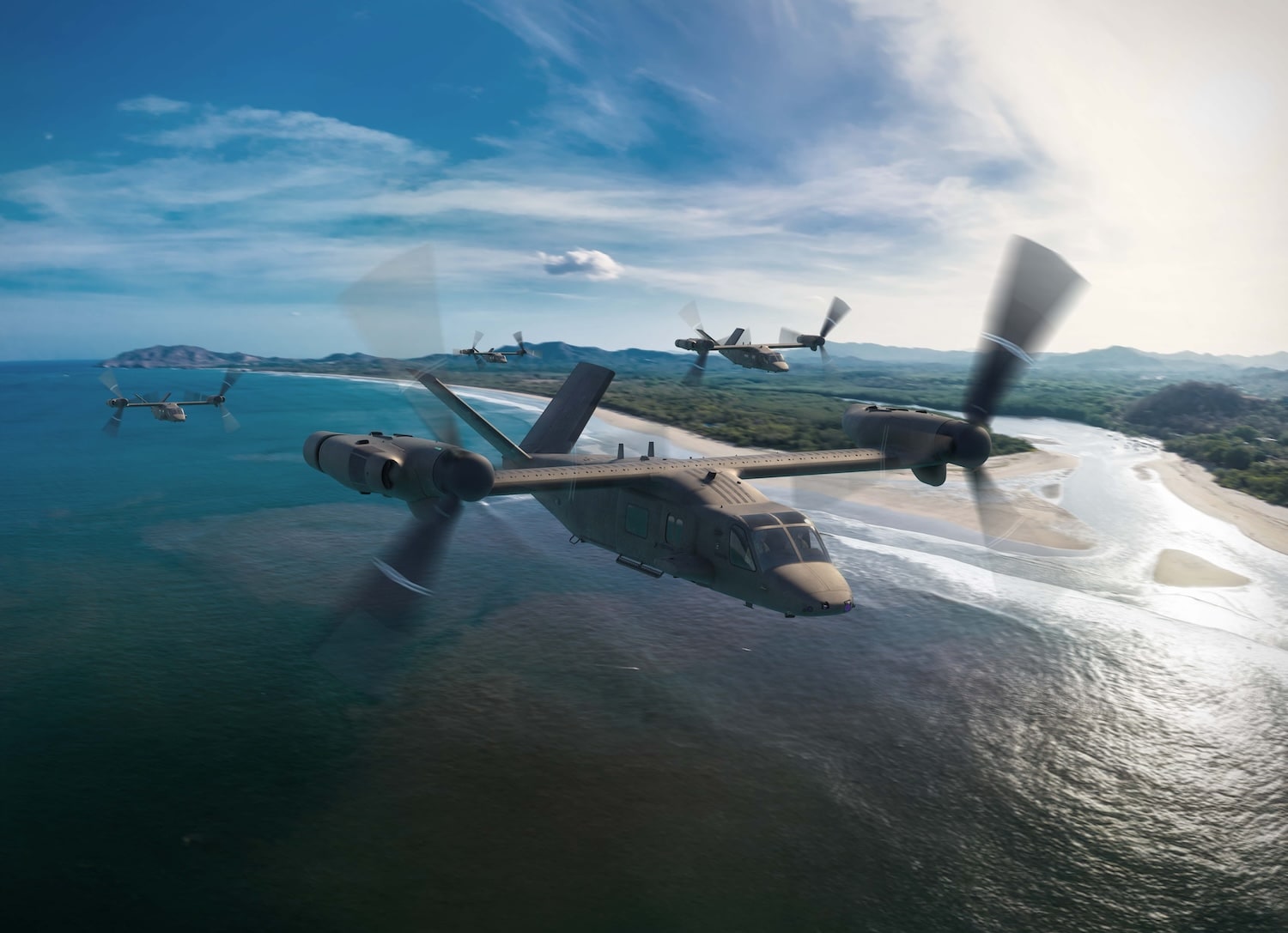
MV-75 Cheyenne
Ermöglicht es Streitkräften, von vorteilhaften Positionen aus zu starten und mit weniger Zwischenstopps auf größeren, stärker verteilten und komplexeren Gefechtsfeldern zu operieren.

Ja, Kipprotoren eignen sich ideal für zivile Anwendungen wie den Offshore-Transport, Such- und Rettungseinsätze sowie medizinische Evakuierungen.
Nein, die Ausbildungsstandards für Kipprotoren entsprechen weitgehend den Ausbildungsanforderungen für herkömmliche Drehflügler. Dies belegen jahrzehntelange Erfahrungen mit Kipprotor-Plattformen beim U.S. Marine Corps, der Air Force und der Navy.
Nein, die helikopterähnliche Agilität im Langsamflug bleibt erhalten. Gleichzeitig bieten Kipprotoren eine revolutionäre Geschwindigkeit und Reichweite, wodurch sie sich für unterschiedlichste Einsatzprofile eignen.
Kipprotoren nutzen schwenkbare Proprotoren, die zwischen einer vertikalen und einer horizontalen Position wechseln können. Dadurch ermöglichen sie vertikale Starts und Landungen wie ein Helikopter sowie den Vorwärtsflug wie ein Flugzeug.
Ja, Kipprotoren sind für den Einsatz unter anspruchsvollen Umgebungsbedingungen ausgelegt, einschließlich großer Höhen, Vereisungsbedingungen, abgelegener Einsatzorte und Gebiete mit begrenzter Infrastruktur. Dadurch eignen sie sich ideal für unterschiedlichste Einsatzszenarien.
Bells Führungsrolle in der Kipprotor-Technologie basiert auf Innovation und Erfahrung. Vom XV-3, der in den 1950er-Jahren das Kipprotor-Konzept einführte, bis zum XV-15, der dessen operative Machbarkeit unter Beweis stellte, stand Bell an der Spitze der Innovation im Bereich Vertikalhub. Heute definieren die fortschrittlichen Plattformen von Bell weiterhin neu, was in der Luftfahrt möglich ist.
Ermöglicht es Streitkräften, von vorteilhaften Positionen aus zu starten und mit weniger Zwischenstopps auf größeren, stärker verteilten und komplexeren Gefechtsfeldern zu operieren.
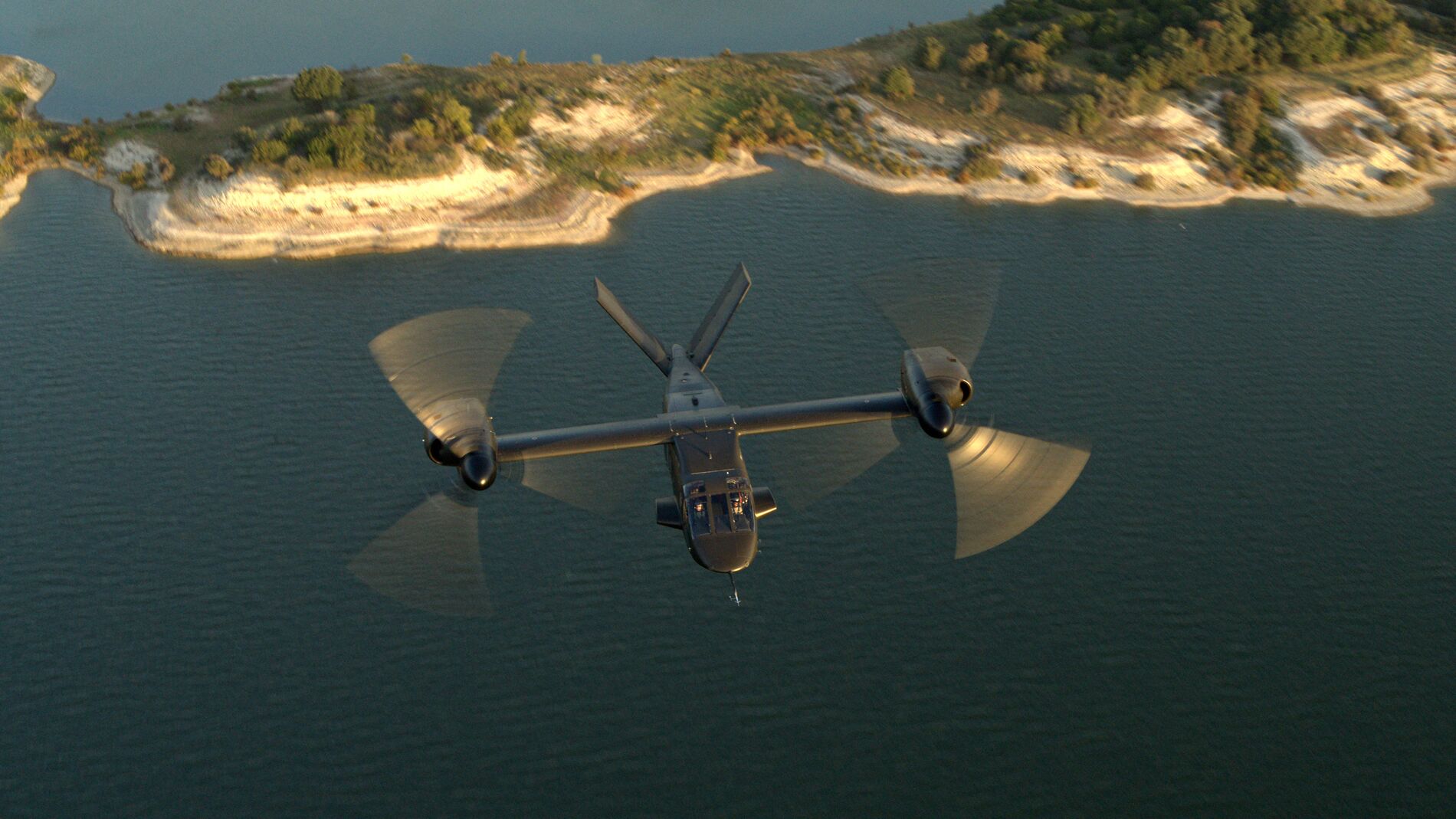
Kipprotor-Demonstrationsfluggerät der nächsten Generation für Langstreckenangriffseinsätze.
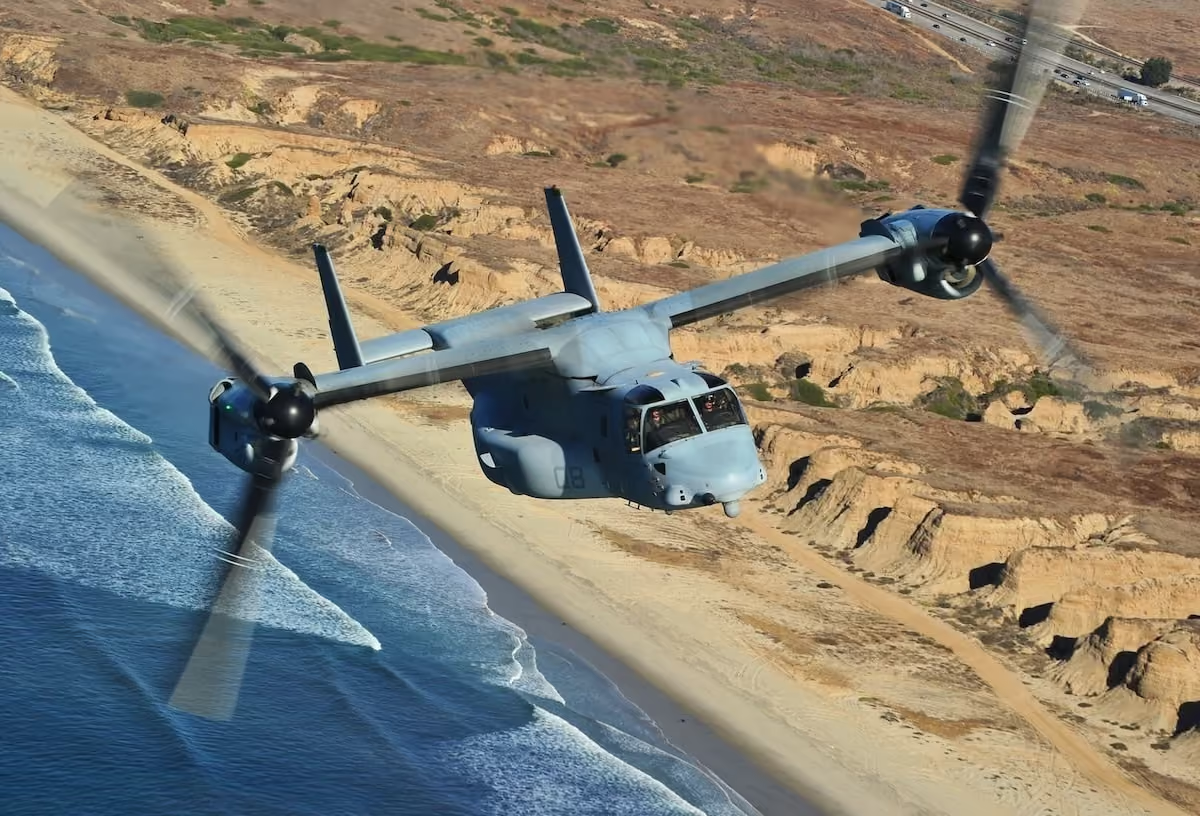
Unterstützung bei Angriffseinsätzen, Truppentransport und Frachttransport in anspruchsvollen, umkämpften Einsatzgebieten.
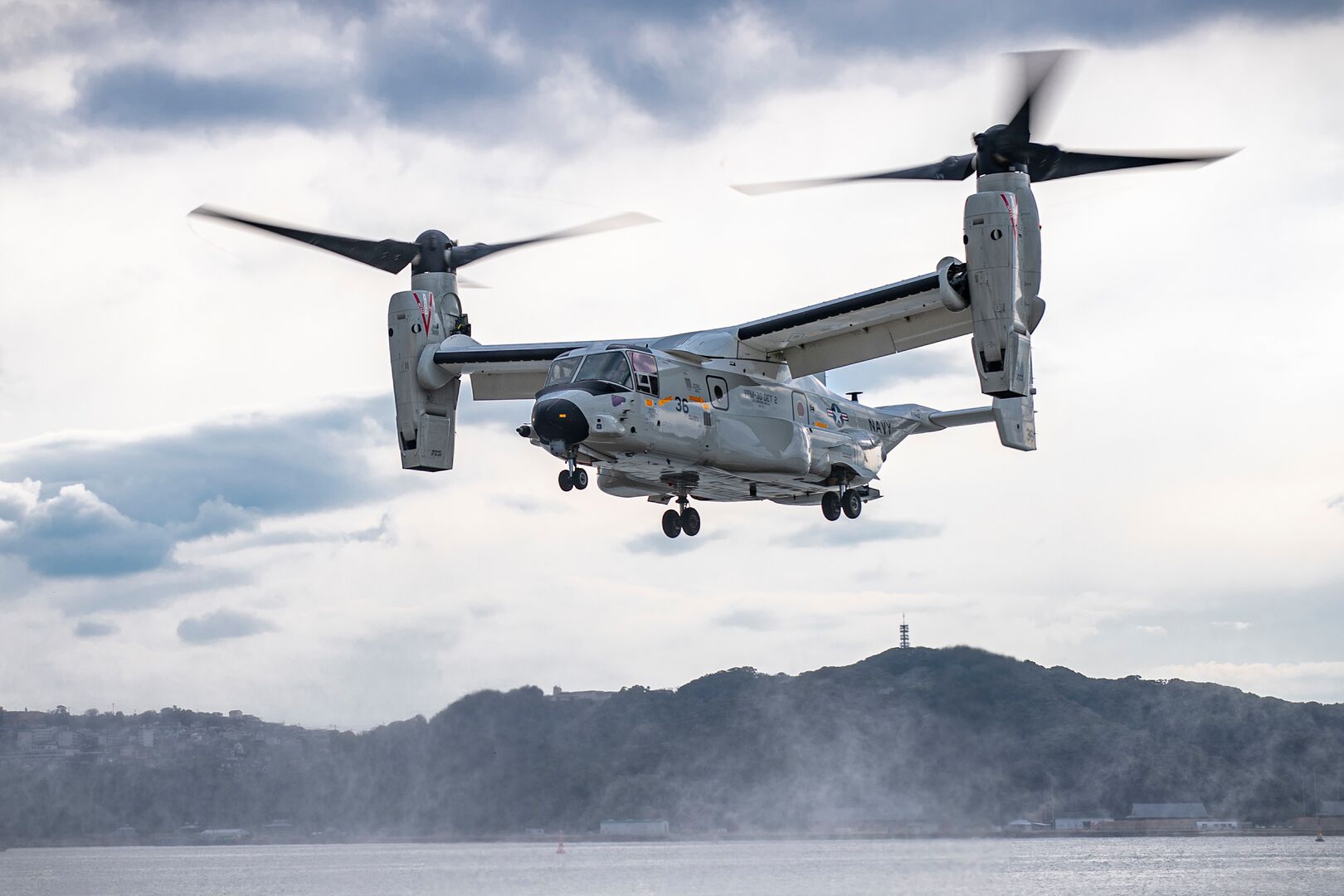
Kritische Logistik und Personaltransport für Flugzeugträgerkampfgruppen.
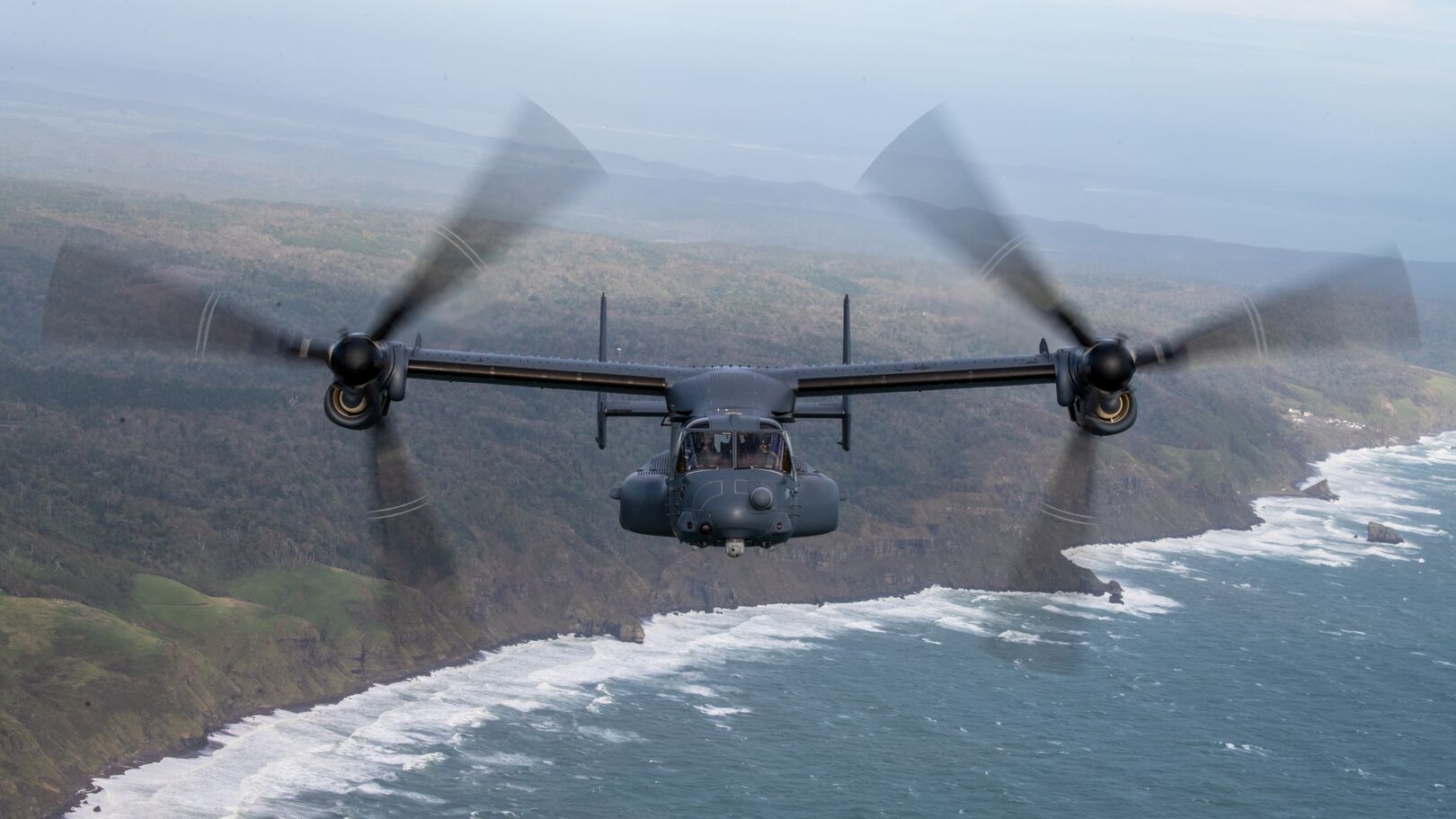
Spezialeinsätze, einschließlich Infiltration, Exfiltration und Nachschubversorgung, in feindlichen und abgelegenen Einsatzgebieten.
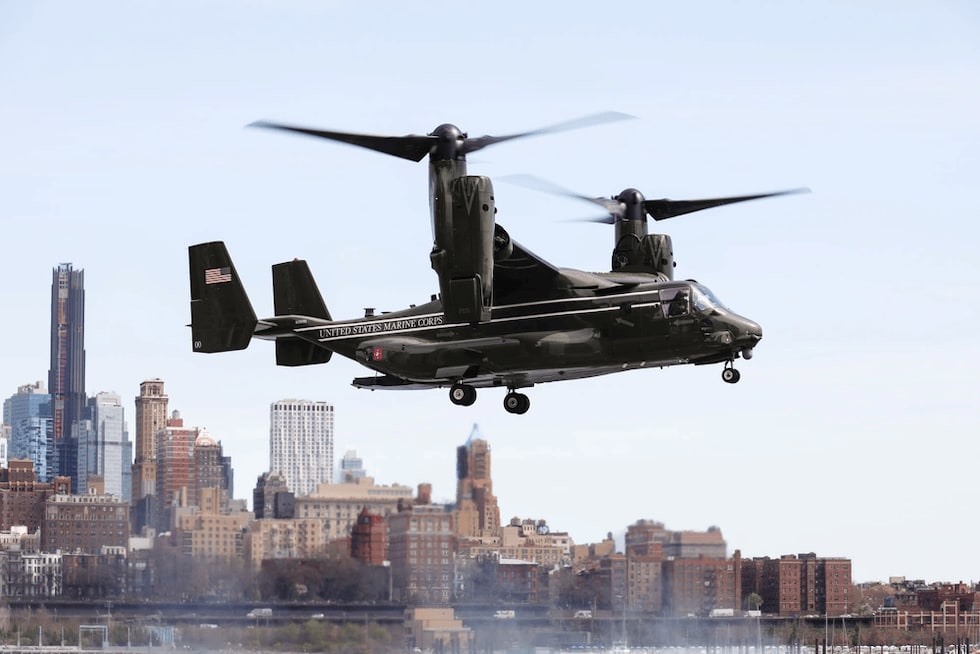
Präsidenten- und VIP-Transport
Erhalten Sie exklusive, unveröffentlichte Updates, Videos und News zu Fluggeräten von Bell schneller als andere. Steigen Sie noch heute ein in die Zukunft des Vertikalhubs.